Best Time to Visit Japan: A Month-by-Month Guide for Singapore Travellers
Best time to visit Japan depends on the kind of holiday you have in mind. Japan attracts Singapore travellers throughout the year, with cherry blossoms in spring, lively festivals in summer, colourful autumn foliage and snowy winter escapes. Each season offers a different experience, from exploring Tokyo’s busy streets to enjoying Kyoto’s temples or relaxing in a mountain onsen. Your ideal month also depends on the weather, budget and crowds. If you’re planning a Japan holiday from Singapore, compare Singapore to Japan flights and school holiday dates before settling on your travel dates.
TL;DR – Best Time to Visit Japan at a Glance
October and November are excellent months for sightseeing, thanks to cooler weather and autumn colours. April is popular for cherry blossoms, while January and February suit travellers looking for snow and potentially lower travel costs.
| Travel preference | Best time |
|---|---|
| Overall sightseeing | October–November |
| Cherry blossoms | Late March–April |
| Autumn leaves | October–November |
| Budget travel | January–February |
| Snow activities | January–February |
| Pleasant weather | April–May, October–November |
When Is the Best Time to Visit Japan?
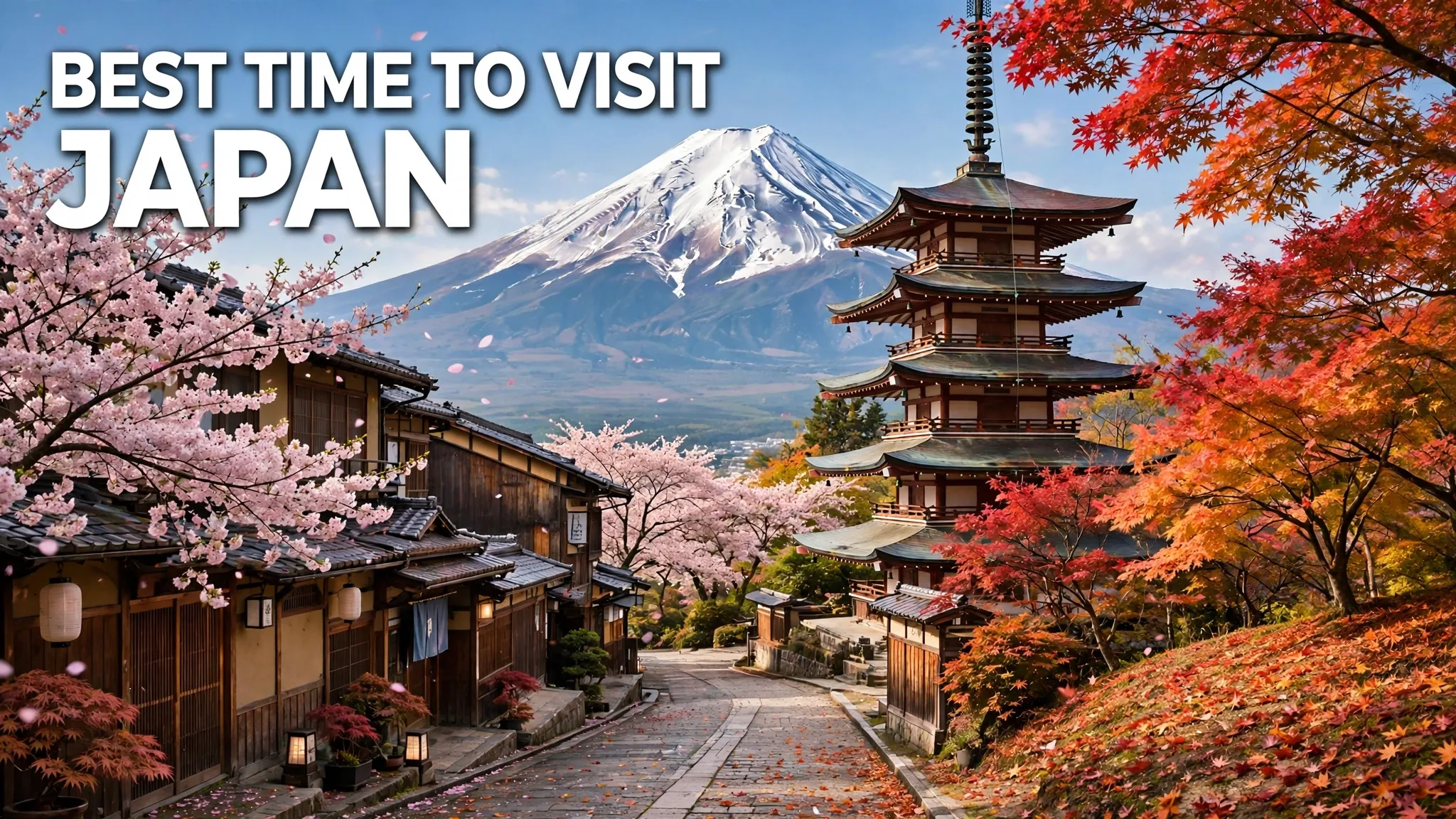
For many visitors, October and November are the best months to visit Japan. The weather is generally comfortable for walking, sightseeing and day trips, while autumn colours make parks, gardens and temple grounds especially attractive. Spring is another popular choice, particularly from late March to early April when cherry blossoms appear in parts of Tokyo and Kyoto.
November can be a good choice for Singapore visitors who prefer cooler days without the intense summer humidity. But blossom and foliage dates change with the weather and location. The best season to visit Japan depends on your plans, so check regional forecasts before booking.
Best Time to Visit Japan by Season
Spring (March to May)
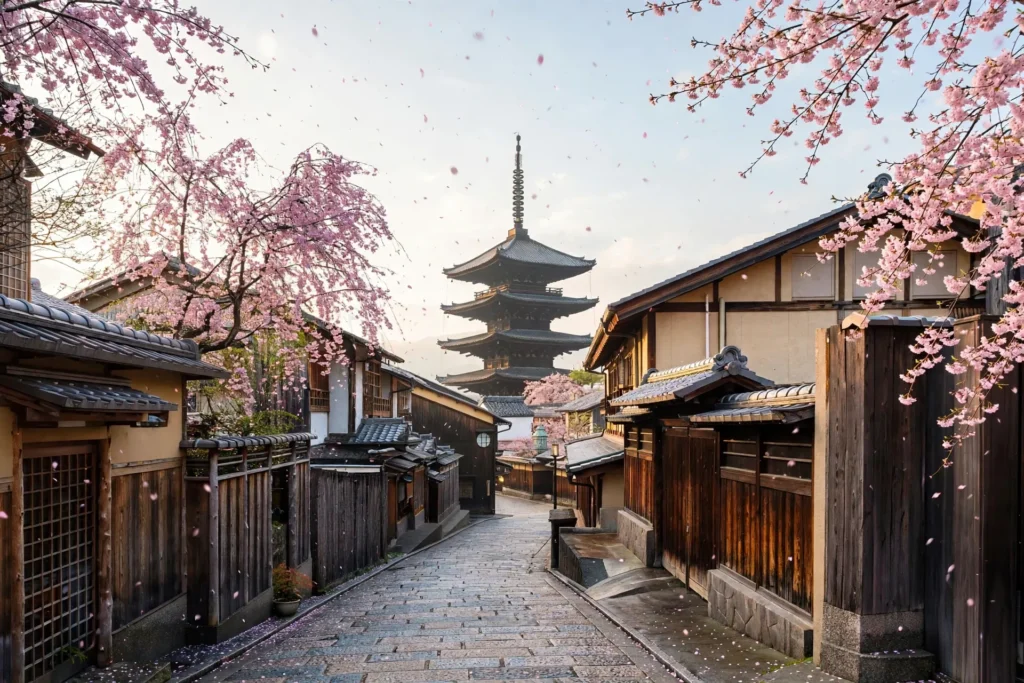
Japan in spring is famous for Sakura, or cherry blossoms. Parks and riverside paths in Tokyo and Kyoto become popular viewing spots, while mild temperatures make city walks and outdoor visits pleasant. Late March and early April are popular periods, although the exact bloom dates change each year. Hotels can also become more expensive around peak blossom dates. May is usually warmer and can be a good month for sightseeing after the busiest spring blossom period.
Summer (June to August)
Summer brings festivals, fireworks and lively outdoor events. It also brings heat and humidity, particularly in Tokyo, Kyoto and Osaka. The rainy season, known as Tsuyu, affects many mainland areas around June and early July. Hokkaido is often a more comfortable option for visitors who want to avoid some of the southern heat. July and August are still popular for summer activities, but plan outdoor sightseeing for mornings or evenings.
Autumn (September to November)
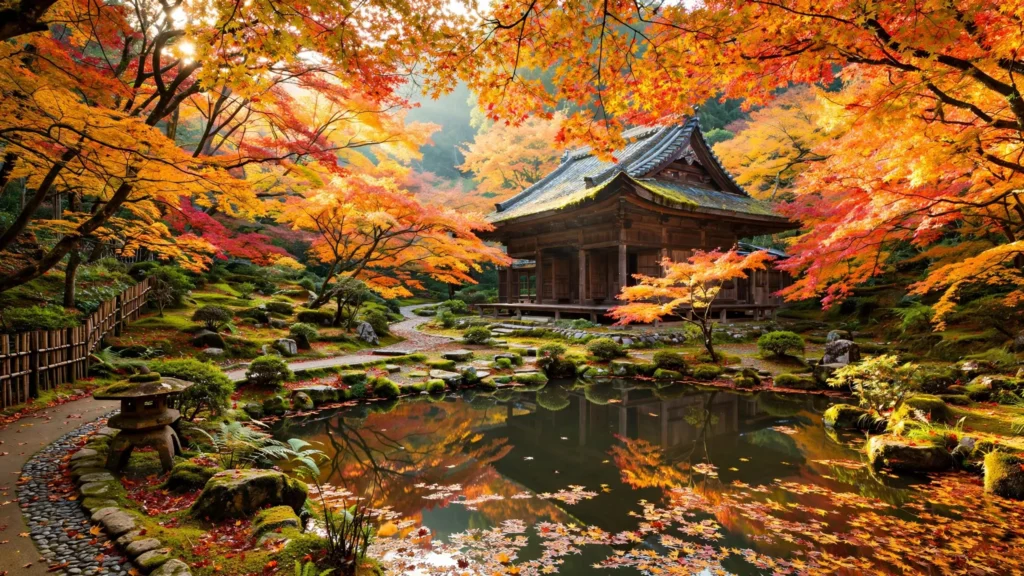
Japan in autumn offers colourful Koyo, or autumn foliage, and comfortable conditions for exploring cities. October and November are popular for visiting Kyoto temples, Tokyo parks and scenic countryside. September can still feel hot and humid, with a greater chance of typhoons in parts of Japan. Leaf colours appear at different times depending on location and altitude, so check local forecasts if foliage is the main reason for your trip.
Winter (December to February)
Japan in winter is a good choice for snow activities, skiing and hot spring visits. Hokkaido and northern Japan receive substantial snowfall, while cities such as Tokyo and Osaka are generally colder but often have less snow. January and February are popular for ski trips and winter festivals, including the Sapporo Snow Festival. Pack warm layers, especially if you plan to visit mountain areas or northern destinations.
Japan Weather by Month: January to December
Japan’s weather changes considerably throughout the year. Tokyo’s conditions are not the same as Hokkaido’s snowy winters or Okinawa’s warmer subtropical climate. The table below gives a general idea for planning; local conditions can vary.
| Month | Weather | Travel experience |
|---|---|---|
| January | Cold | Snow and winter activities |
| February | Cold | Skiing and snow festivals |
| March | Mild | Early spring |
| April | Pleasant | Cherry blossoms |
| May | Warm | Outdoor sightseeing |
| June | Rainy in many regions | Quieter travel |
| July | Hot and humid | Festivals |
| August | Very hot | Summer events |
| September | Warm, typhoon risk | Flexible travel plans |
| October | Mild | Comfortable sightseeing |
| November | Cool | Autumn foliage |
| December | Cold | Winter experiences |
For Tokyo and Kyoto, spring and autumn are often comfortable for walking around. Hokkaido has colder winters and a shorter summer, while Okinawa stays warmer for much of the year. Check the weather for each destination on your route rather than relying on one national forecast.
Best Time to See Cherry Blossoms and Autumn Leaves
Cherry Blossom Season in Japan
Sakura season is one of Japan’s best-known travel highlights. In Tokyo and Kyoto, cherry blossoms commonly reach their peak around late March or early April, but the timing shifts each year. Okinawa usually sees blossoms earlier, while Hokkaido’s season arrives later. Popular viewing spots can get crowded, and accommodation demand rises around peak dates. Book early if seeing the blossoms is a major part of your trip.
Autumn Foliage Season
Koyo brings red, orange and golden leaves to Japan, with October and November popular for viewing in many destinations. Hokkaido often sees autumn colours earlier than Tokyo and Kyoto. Kyoto’s temple gardens and Tokyo’s parks are well-known places to enjoy the season. Higher-altitude areas may change colour before nearby cities.
Cheapest Time to Visit Japan from Singapore
January, February and early June can offer lower-demand travel dates, although prices depend on the destination, school holidays and major events. Cherry blossom season and autumn foliage periods often bring stronger demand for hotels and flights. Compare Singapore to Japan flight fares across different dates, and check the exchange rate between the Japanese Yen (JPY) and Singapore Dollar (SGD) when setting your budget.
| Travel style | Estimated daily budget per person |
|---|---|
| Budget | S$75–S$115 |
| Mid-range | S$140–S$235 |
| Luxury | S$325+ |
These are illustrative planning estimates, excluding international flights. Actual spending depends on accommodation, meals, transport and activities. Check current prices before booking, as costs can vary between Tokyo, Kyoto, Osaka and smaller cities.
Worst Time to Visit Japan
June to mid-July is the rainy season in many mainland regions, while July and August can bring uncomfortable heat and humidity. September has a higher typhoon risk in parts of the country, which may affect flights and outdoor plans. Golden Week, Obon and the New Year holiday period can also bring busy trains, attractions and hotels. These dates are not automatically bad for every trip: winter sports, summer festivals and regional destinations may still make them appealing.
Best Time to Visit Japan for First-Time Visitors
October and November are strong choices for first-time visitors who want comfortable sightseeing weather. A route covering Tokyo, Kyoto and Osaka gives you a mix of city attractions, food, shopping and cultural sites. Spring is a good alternative if cherry blossoms are high on your list. Singapore travellers should compare their plans with local school holidays and check direct flights from Changi Airport before choosing dates.
Frequently Asked Questions
What is the best month to visit Japan?
November is a strong choice for many visitors, with cooler weather, autumn foliage and comfortable conditions for exploring cities such as Tokyo and Kyoto.
Is April a good time to visit Japan?
Yes. April usually brings pleasant spring weather and cherry blossom opportunities in several cities, although popular viewing spots and hotels can be busy.
What is the cheapest month to visit Japan from Singapore?
January, February and early June may offer lower-demand dates, but flight fares and hotel prices change around holidays, events and school breaks.
When is cherry blossom season in Japan?
Cherry blossoms commonly appear from March to April in many popular destinations. Okinawa blooms earlier, while Hokkaido usually sees blossoms later.
Is November a good time to visit Japan?
Yes. November is popular for autumn foliage, cooler temperatures and city sightseeing, particularly in Tokyo and Kyoto.
Final Thoughts
Spring and autumn are the strongest choices for many Japan holidays. Choose April for cherry blossoms, October or November for autumn scenery, and January or February for snow. Singapore travellers should compare flight fares, hotel rates and Japanese holiday dates before booking.