Japan Plug Type: What Power Plugs and Sockets Are Used in Japan?
Japan plug type is one of the things Singapore travellers should check before packing for their trip. Japan mainly uses Type A power plugs, although Type B sockets and plugs are also found in some locations. Singapore, in comparison, commonly uses Type G plugs and a 230V electricity supply, while Japan operates on 100V. This difference can affect which chargers and appliances you can use. A suitable travel adapter is usually needed for Singapore plugs, but voltage compatibility deserves a closer look too.
TL;DR: Japan Plug Type at a Glance
| Electrical information | Japan |
|---|---|
| Main plug type | Type A |
| Other plug type | Type B |
| Standard voltage | 100V |
| Frequency | 50Hz / 60Hz |
| Eastern Japan | 50Hz |
| Western Japan | 60Hz |
| Singapore adapter required? | Yes, for Type G plugs |
Japan mainly uses Type A power sockets with two flat parallel pins. Singapore travellers using Type G plugs need a suitable travel adapter. Check your device’s voltage rating because Japan uses 100V electricity.
What Plug Type Does Japan Use?
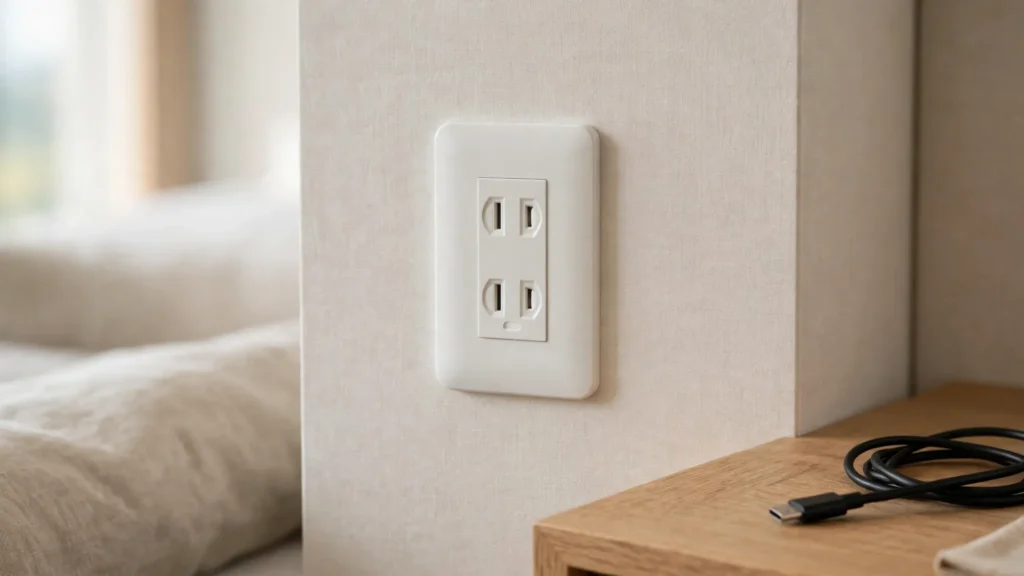
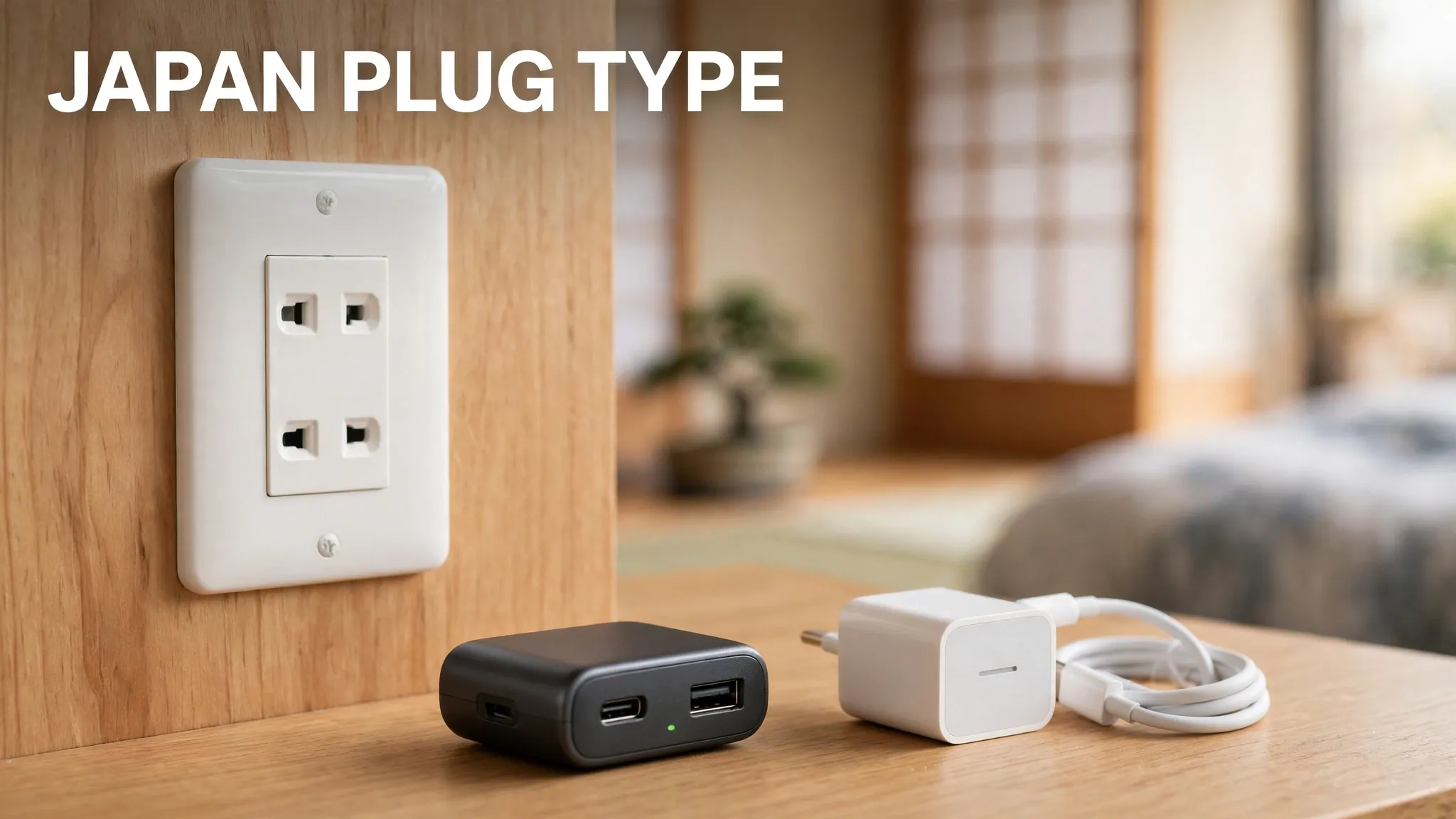
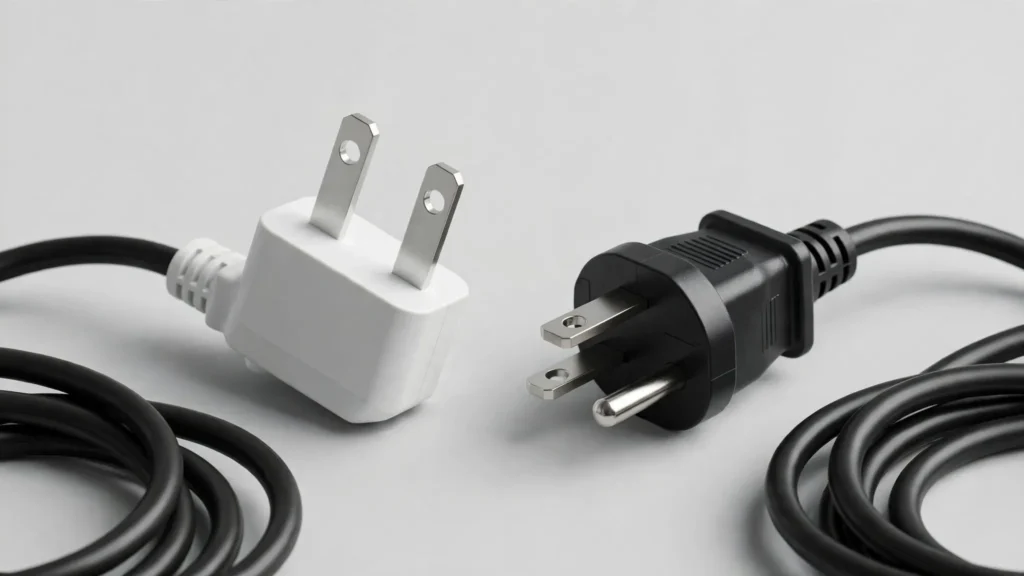
The main Japan plug type is Type A, which has two flat, parallel pins. You’ll find these sockets in many Japanese homes, hotels and other buildings. Japan also has Type B plugs, which add a grounding pin, although they are less common.
Type A is similar to the two-pin plug used in the United States. Its flat-pin design is quite different from Singapore’s Type G plug, which has three rectangular pins.
One detail worth separating is plug shape and electricity supply. The plug type tells you whether your charger can physically fit into a socket. Voltage tells you whether the device can operate safely with the electricity supplied. Both matter when preparing your electronics for Japan.
Japan Plug Types Explained
Japan has two plug types worth knowing about: Type A and Type B. Type A is the one most travellers are likely to encounter, while Type B provides an additional grounding connection.
Type A Plug in Japan
A Type A plug has two flat parallel pins and no grounding pin. It is the most common plug design in Japan and is used for many everyday electronics, including phone chargers, small appliances and other low-power devices.
Type B Plug in Japan
A Type B plug has two flat pins and a third round grounding pin. The extra pin provides an earth connection for compatible appliances. However, not every Japanese wall outlet accepts a grounded Type B plug, so check the socket before relying on one.
Difference Between Type A and Type B Plugs
| Feature | Type A | Type B |
|---|---|---|
| Pin design | Two flat pins | Two flat pins + grounding pin |
| Grounding | No | Yes |
| Appearance | Flat two-pin | Three-pin |
| Usage in Japan | Common | Less common |
For most visitors, Type A is the main socket design to prepare for. If you’re bringing an appliance with a grounding pin, make sure the adapter and destination socket support its grounding requirements.
Japan Voltage and Frequency vs Singapore
Japan uses 100V AC electricity, which is lower than Singapore’s standard 230V supply. The country also has two electricity frequencies. Eastern Japan, including Tokyo, generally operates at 50Hz, while western Japan, including Osaka and Kyoto, generally uses 60Hz.
Singapore uses 230V at 50Hz. This voltage difference matters because an appliance designed only for Singapore’s higher voltage may not work properly in Japan. Some devices can also be affected by frequency differences, depending on their design.
Check the input information printed on your charger or appliance before plugging it in.
| Feature | Japan | Singapore |
|---|---|---|
| Voltage | 100V | 230V |
| Frequency | 50Hz / 60Hz | 50Hz |
| Common plug | Type A | Type G |
| Socket shape | Two flat pins | Three rectangular pins |
The difference is particularly relevant for high-power appliances such as hair dryers, electric kettles and hair straighteners. Phone and laptop chargers are often more flexible, but their labels should still be checked.
Do Singapore Travellers Need a Travel Adapter for Japan?
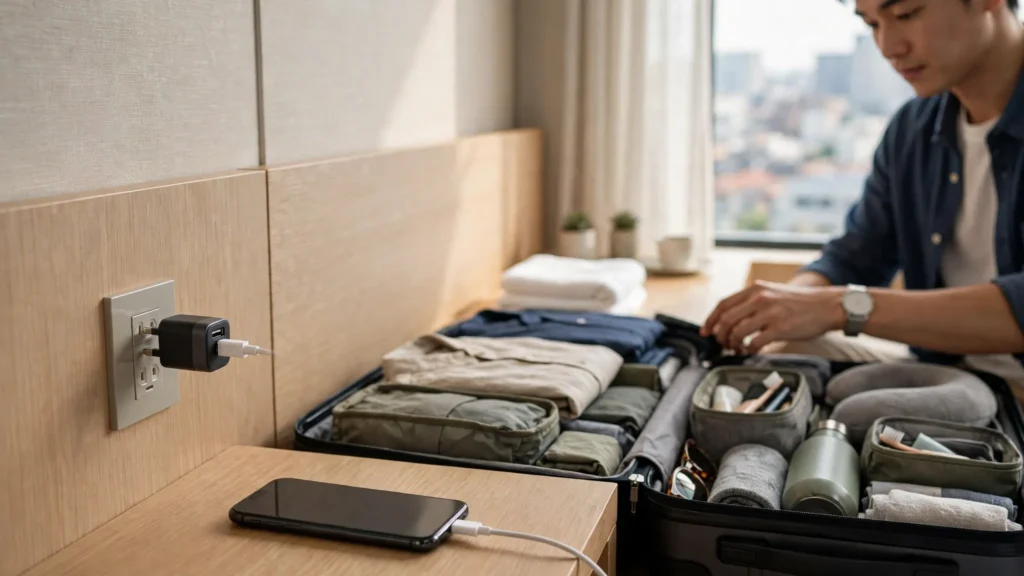
Yes. Singapore’s Type G plug does not fit directly into a Japanese Type A socket. You’ll need a Singapore to Japan adapter that accepts a Type G plug and fits a Japanese Type A outlet.
A compact Type G-to-Type A travel adapter is usually suitable for basic two-pin devices. If you’re carrying an appliance that needs grounding, check that the adapter supports the required earth connection. A simple two-pin adapter does not provide grounding.
Buying an adapter before leaving Singapore can save time after arrival, especially if you need to charge your phone as soon as you reach your hotel.
| Traveller’s country | Common plug | Adapter in Japan |
|---|---|---|
| Singapore | Type G | Yes |
| UK | Type G | Yes |
| Malaysia | Type G | Yes |
| USA | Type A/B | Usually not for Type A |
| Australia | Type I | Yes |
| Germany | Type C/F | Yes |
This table covers common plug shapes, not every device or socket arrangement. Travellers from the USA should still check their plug and grounding requirements.
Can You Use Singapore Phone and Laptop Chargers in Japan?
In many cases, yes. Modern phone and laptop chargers often support a broad input range, commonly printed as Input: 100–240V, 50/60Hz. A charger with this rating can generally operate on Japan’s 100V supply and across both local frequency standards.
Check the small print on the charger itself rather than relying only on the device brand. This applies to iPhone and Android chargers, MacBook power adapters, laptop chargers and USB-C charging bricks.
If the label lists 100–240V, you generally need only a suitable plug adapter to connect it to a Japanese socket. If it lists only 220–240V, don’t assume it will work in Japan. Check the manufacturer’s instructions before use.
Do You Need a Voltage Converter or Just a Travel Adapter?
A travel adapter changes the plug shape so it fits a different socket. It does not change the voltage. A voltage converter changes the electrical supply from one voltage to another.
| Travel adapter | Voltage converter |
|---|---|
| Changes plug shape | Changes voltage |
| Does not change voltage | Converts voltage |
| Used for socket compatibility | Used for incompatible voltage requirements |
Dual-voltage devices rated for 100–240V generally need only the correct plug adapter. A 220–240V-only appliance may need a suitable step-up converter to operate on Japan’s 100V supply.
Pay particular attention to hair dryers and straighteners. Check the appliance’s wattage and manufacturer’s instructions before choosing a converter. Not every converter is suitable for high-power heating appliances.
Where Can You Buy a Japan Travel Adapter in Singapore?
You can look for a Japan travel adapter through Singapore retailers and online marketplaces such as Shopee Singapore, Lazada Singapore, Challenger and Best Denki. Check the product description before ordering: it should clearly state that it fits Japanese Type A sockets and accepts your Singapore plug.
For a charger-heavy travel setup, a universal travel adapter with suitable USB ports may be convenient. Check its safety certification, power rating and grounding support where required. Prices and stock can change, so compare current listings before purchasing.
Frequently Asked Questions
1. What plug type does Japan use?
Japan mainly uses Type A electrical plugs with two flat parallel pins. Type B plugs are also found in some locations.
2. Does Japan use Type A or Type B plugs?
Type A is Japan’s main plug type. Type B, which has an additional grounding pin, is less common.
3. Is Japan plug the same as Singapore?
No. Singapore commonly uses Type G plugs with three rectangular pins, while Japan mainly uses Type A sockets.
4. Do Singaporeans need a travel adapter for Japan?
Yes. Singapore Type G plugs do not fit Japanese Type A sockets, so you’ll need a suitable travel adapter.
5. Does Japan use 100V or 220V electricity?
Japan uses 100V AC electricity. Singapore’s standard supply is 230V, so check appliance voltage ratings before travelling.
6. Can I use my Singapore iPhone charger in Japan?
Most modern iPhone chargers support 100–240V. Check the input label and bring a suitable Type G-to-Type A adapter.
7. Does Japan use 50Hz or 60Hz electricity?
Eastern Japan, including Tokyo, generally uses 50Hz. Western Japan, including Osaka and Kyoto, generally uses 60Hz.
Final Thoughts
Japan mainly uses Type A plugs and a 100V electricity supply. Singapore travellers should pack a suitable adapter for Type G plugs and check the voltage rating of every appliance. Phone and laptop chargers are often compatible, but hair dryers and other high-power devices need extra attention.