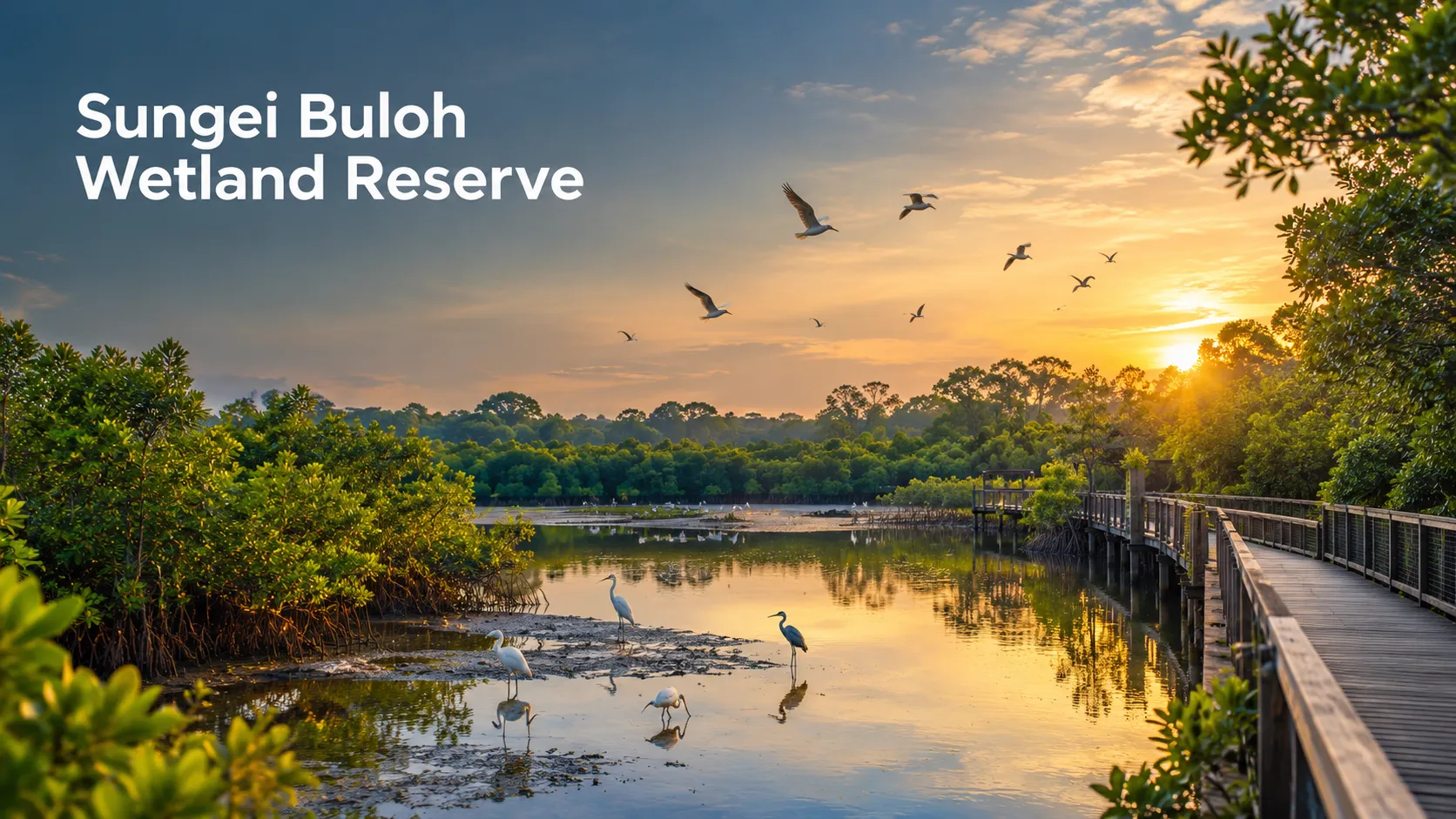
Sungei Buloh Wetland Reserve: Trails, Wildlife & Visitor Tips
Sungei Buloh Wetland Reserve sits in northwest Singapore, offering a very different setting from the city’s usual malls, towers and busy streets. Here, mangroves, mudflats, freshwater ponds and coastal habitats create a place where migratory birds and native wildlife can be observed in their natural surroundings. People visit for birdwatching, nature walks, photography and a quieter outdoor break. If you’re planning a visit, the useful details matter too — from which trail to take and what wildlife you may see to the best season, transport options, opening hours and entry information.
TL;DR: Sungei Buloh Wetland Reserve at a Glance
TL;DR: Sungei Buloh Wetland Reserve is a 202-hectare wetland reserve in northwest Singapore, known for mangroves, mudflats, migratory birds and native wildlife. It is Singapore’s first ASEAN Heritage Park and is open from 7am to 7pm, with last entry at 6:30pm. Visitors can explore easy trails such as the Migratory Bird Trail, Mangrove Boardwalk and Coastal Trail, with Kranji MRT providing a public-transport connection.
What Is Sungei Buloh Wetland Reserve?
Sungei Buloh Wetland Reserve is a protected natural area in the Kranji area of northwest Singapore. Its wetlands and mangroves support plants, birds and animals that depend on these habitats, making it much more than a simple walking park.
The reserve is also Singapore’s first ASEAN Heritage Park. Its location near Kranji, Lim Chu Kang and the northern coast places it within a part of Singapore where wetland habitats, mudflats and mangrove areas still form a major part of the scenery. NParks also protects the reserve as part of the wider Sungei Buloh Nature Park Network.
That setting is what makes a visit feel different. Instead of landscaped gardens and paved city attractions, you get boardwalks, bird hides, tidal areas and views across natural habitats. It’s a place for slowing down a little and actually looking around.
What Can You See at Sungei Buloh Wetland Reserve?
Wildlife is a major reason people come here, but sightings are never guaranteed. A quiet walk and a bit of patience can make a big difference.
Migratory Birds and Shorebirds
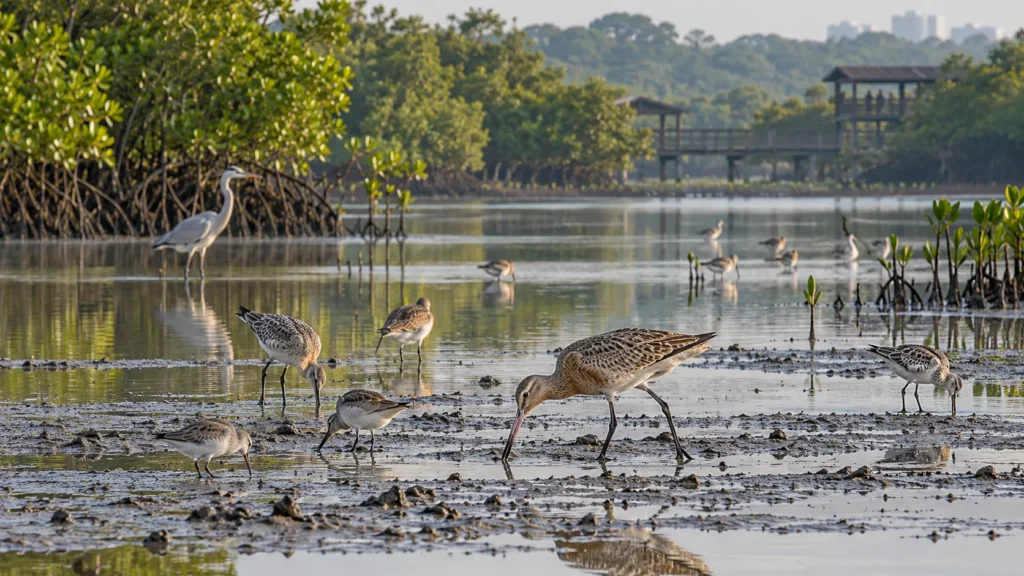
Sungei Buloh is internationally recognised as an important site for migratory birds. The reserve sits along the East Asian-Australasian Flyway, and its mudflats provide feeding and resting areas for visiting shorebirds. The main migratory period runs from August to April.
During this period, you may spot birds such as Whimbrels, Common Greenshanks, Common Redshanks, Pacific Golden Plovers and Lesser Sand Plovers. Resident birds are present throughout the year too, including herons, egrets, kingfishers, sunbirds and bulbuls.
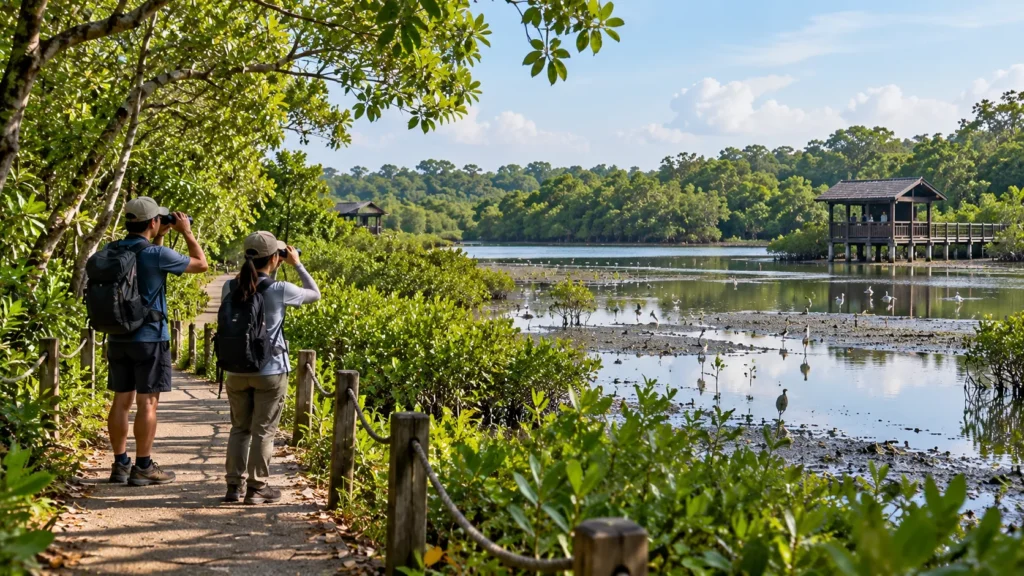
For serious birdwatching, the Migratory Bird Trail is a strong place to start. Bird hides and shelters along the route give visitors places to pause without getting too close to the birds.
Mangroves and Wetland Wildlife
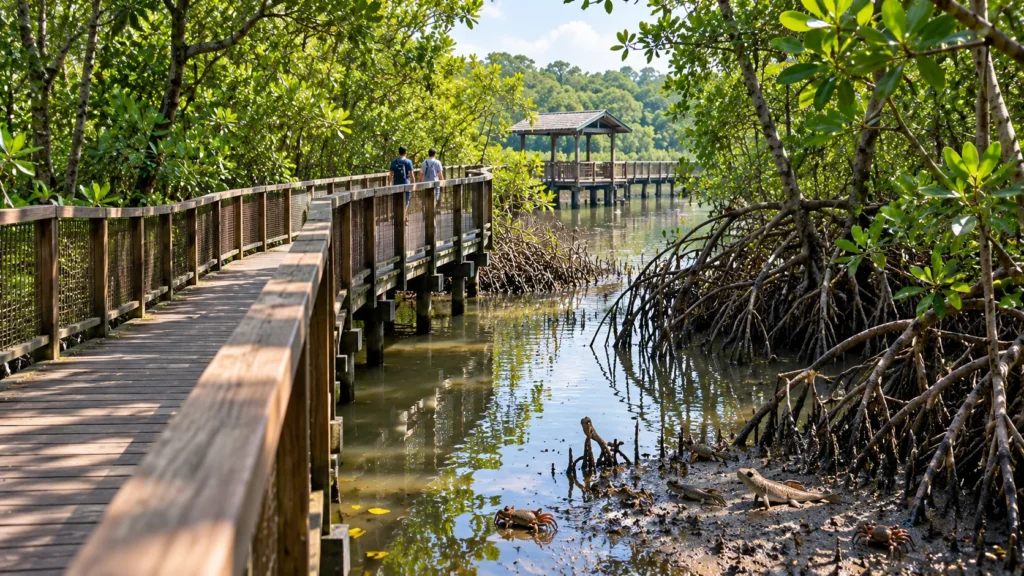
The mangrove areas bring a different kind of wildlife spotting. Along the Mangrove Boardwalk, you may see mudskippers, monitor lizards, mud lobsters, crabs and spiders around the trees and wetland edges.
There are larger animals too. Smooth-coated otters and estuarine crocodiles are among the species listed by NParks, along with Malayan Water Monitors. Seeing one is never something to count on, though — wildlife moves on its own schedule.
Best Trails at Sungei Buloh Wetland Reserve
Sungei Buloh has several easy trails, so the best route depends on what you want to see. Birdwatching, mangrove wildlife, a shorter walk and family exploration each have a slightly different fit.
| Trail | Length | Best for |
|---|---|---|
| Migratory Bird Trail | 1.95 km | Birdwatching |
| Mangrove Boardwalk | 500 m or 3 km | Mangroves & wildlife |
| Coastal Trail | 1.3 km | Scenic walking |
| Forest Trail | 300 m | Short nature walk |
| Mid-canopy Walk | 150 m | Forest experience |
| Junior Wetland | Short site near Visitor Centre | Children |
Migratory Bird Trail
The Migratory Bird Trail Singapore visitors often search for is a 1.95 km easy route around the Buloh Tidal Ponds. Bird hides and shelters make it a natural choice for birdwatching, with resident birds visible throughout the year and migratory birds arriving during the August–April period.
If birds are the main reason for your visit, give yourself time here rather than rushing from one end to another. Sometimes the interesting moment is simply a bird feeding at the edge of the mudflat.
Mangrove Boardwalk
The Sungei Buloh Mangrove Boardwalk comes in 500 m and 3 km route options and is also rated easy. It brings visitors closer to the mangrove forest without having to walk through mud or water.
Look around the roots and water edges for mudskippers, crabs, mud lobsters and monitor lizards. The mangrove itself is part of the attraction — twisted roots, wet soil and small creatures can make even a slow walk interesting.
Coastal Trail, Forest Trail & Mid-canopy Walk
The 1.3 km Coastal Trail passes freshwater ponds, mudflats and mangroves, with scenic points such as Eagle Point and Kingfisher Pod. NParks describes it as suitable for families and school groups.
For something shorter, the 300 m Forest Trail leads towards the 150 m Mid-canopy Walk. The elevated boardwalk passes through secondary forest, where birds and insects can sometimes be spotted. The nearby Junior Wetland is another family-friendly stop, with a freshwater pond where visitors can observe creatures such as dragonflies, fish and White-breasted Waterhens.
Which Sungei Buloh Trail Should You Choose?
Not sure which route fits your visit? Use your main reason for coming as the starting point.
| If you want… | Choose… |
|---|---|
| Migratory bird spotting | Migratory Bird Trail |
| Mangrove wildlife | Mangrove Boardwalk |
| A shorter walk | Forest Trail |
| Coastal scenery | Coastal Trail |
| Family-friendly exploration | Junior Wetland |
| A quick nature experience | Shorter trail sections |
For birdwatchers, the Migratory Bird Trail is the obvious pick. For people who want to see how a mangrove forest works up close, the Mangrove Boardwalk has more appeal. And if you’re visiting with children or only have limited time, there’s no need to force yourself onto the longest route.
When Is the Best Time to Visit Sungei Buloh Wetland Reserve?
The best time depends on what you want from the visit. For migratory birdwatching, August to April is the main period to consider. This is when shorebirds such as Whimbrels and Greenshanks use the reserve during their migration.
Best Season for Migratory Birds
August to April gives birdwatchers a better chance of seeing migratory shorebirds, while resident birds can be observed throughout the year.
Best Time of Day
An early visit can be a pleasant choice for a quieter nature walk and wildlife observation, particularly if you prefer to spend time at the bird hides rather than simply walking through the reserve.
There’s no single magic hour that guarantees sightings. Wildlife is unpredictable, and conditions on the day matter.
Check Weather and Tide Conditions
This part is easy to overlook. NParks warns that some areas can flood during high tides and bad weather, with temporary closures possible for safety. Visitors should check conditions before heading out and avoid entering closed or flooded areas.
How to Get to Sungei Buloh Wetland Reserve
Public transport is fairly straightforward if you’re starting from Kranji MRT Station.
From Kranji MRT
From Kranji MRT, take bus 925 from Mondays to Saturdays or 925M on Sundays and public holidays. The reserve’s Visitor Centre is at 60 Kranji Way, Singapore 739453.
By Car
Driving is another practical option, with free parking available at both the Visitor Centre and Wetland Centre. Bicycle racks are also available, although cycling inside the reserve is not permitted.
| Option | What to know |
|---|---|
| MRT + bus | Kranji MRT + 925/925M |
| Car | Free parking available |
| Bicycle | Bicycle racks available; cycling inside the reserve is not permitted |
The Visitor Centre and Wetland Centre are useful reference points when planning your route. It’s also worth checking the current NParks directions before leaving, since bus arrangements can change.
Sungei Buloh Wetland Reserve Entry Fee, Opening Hours & Visitor Information
If you’re searching for the Sungei Buloh Wetland Reserve entrance fee, current visitor information is a little different from older guides you may find online. Older NParks material lists historical admission charges, so those figures should not be used for a current visit. The current NParks visitor page lists the reserve’s opening hours and free parking, while current NParks nature-walk information states that self-guided walks and NParks guided tours are free.
| Visitor detail | Current information |
|---|---|
| Self-guided walks | Free |
| NParks guided tours | Free, registration required |
| Opening hours | 7am–7pm |
| Last entry | 6:30pm |
| Location | 60 Kranji Way, Singapore 739453 |
| Parking | Free at Visitor Centre and Wetland Centre |
So, if your main question is “is Sungei Buloh free?”, the current official information supports free self-guided access. For any special programme or event, check the current NParks listing before visiting.
What Should You Bring to Sungei Buloh?
A little preparation makes the walk more comfortable. Bring:
- Drinking water
- Comfortable walking shoes
- Insect repellent
- Sun protection
- Light clothing
- Binoculars for birdwatching
- Camera or phone for wildlife photography
You may spend longer than expected at one hide if there’s something interesting in the distance. So don’t plan the visit like a quick walk from point A to point B.
Wildlife Etiquette and Safety Tips
Sungei Buloh is a natural habitat, so give animals plenty of space. Stay on designated trails, avoid feeding or approaching wildlife, and remain calm if an animal appears nearby. NParks specifically advises visitors to keep a safe distance and back away rather than moving closer.
Also check weather conditions before your visit. The reserve can have temporary closures during bad weather or flooding, particularly around high tides. Follow signs and NParks notices on the day.
If you’re visiting with children, stay together and supervise them around trails, ponds and wildlife areas. Pets are not allowed inside the nature reserve.
Frequently Asked Questions About Sungei Buloh Wetland Reserve
Is Sungei Buloh Wetland Reserve free?
Current NParks information states that self-guided walks and NParks guided tours are free. The current visitor page also lists free parking at the Visitor Centre and Wetland Centre.
What time does Sungei Buloh Wetland Reserve open?
Sungei Buloh opens at 7am and closes at 7pm, with the last entry at 6:30pm.
How long do you need at Sungei Buloh?
A short visit can work if you only want a quick nature walk, while birdwatchers may prefer to spend longer around the hides and wetland areas. Your timing will depend on the trails you choose and how much wildlife observation you want to do.
What animals can you see at Sungei Buloh?
You may see migratory and resident birds, monitor lizards, mudskippers, crabs, mud lobsters and spiders. Smooth-coated otters and estuarine crocodiles are also among the wildlife found at the reserve, though sightings are never guaranteed.
How do you get to Sungei Buloh from Kranji MRT?
Take bus 925 from Mondays to Saturdays or 925M on Sundays and public holidays from Kranji MRT Station.
What is the best time to visit Sungei Buloh?
For migratory birdwatching, August to April is the main period. Resident birds can be seen throughout the year, so other months can still be worthwhile for a nature walk.
Is Sungei Buloh Wetland Reserve Worth Visiting?
Yes — especially if you enjoy birdwatching, nature walks, wildlife photography or quieter outdoor places. The reserve gives you a side of Singapore that feels far removed from the city centre, with mangroves, mudflats, freshwater habitats and coastal scenery all within the same visit.
For the best experience, choose your trail around your main interest, check the weather and tide conditions before setting out, and aim for August to April if migratory birds are your priority. Sungei Buloh Wetland Reserve is not about rushing through a checklist. Give yourself time to stop, look across the mudflats and see what turns up.