Tiong Bahru: A Local Guide to Food, History & Things to Do
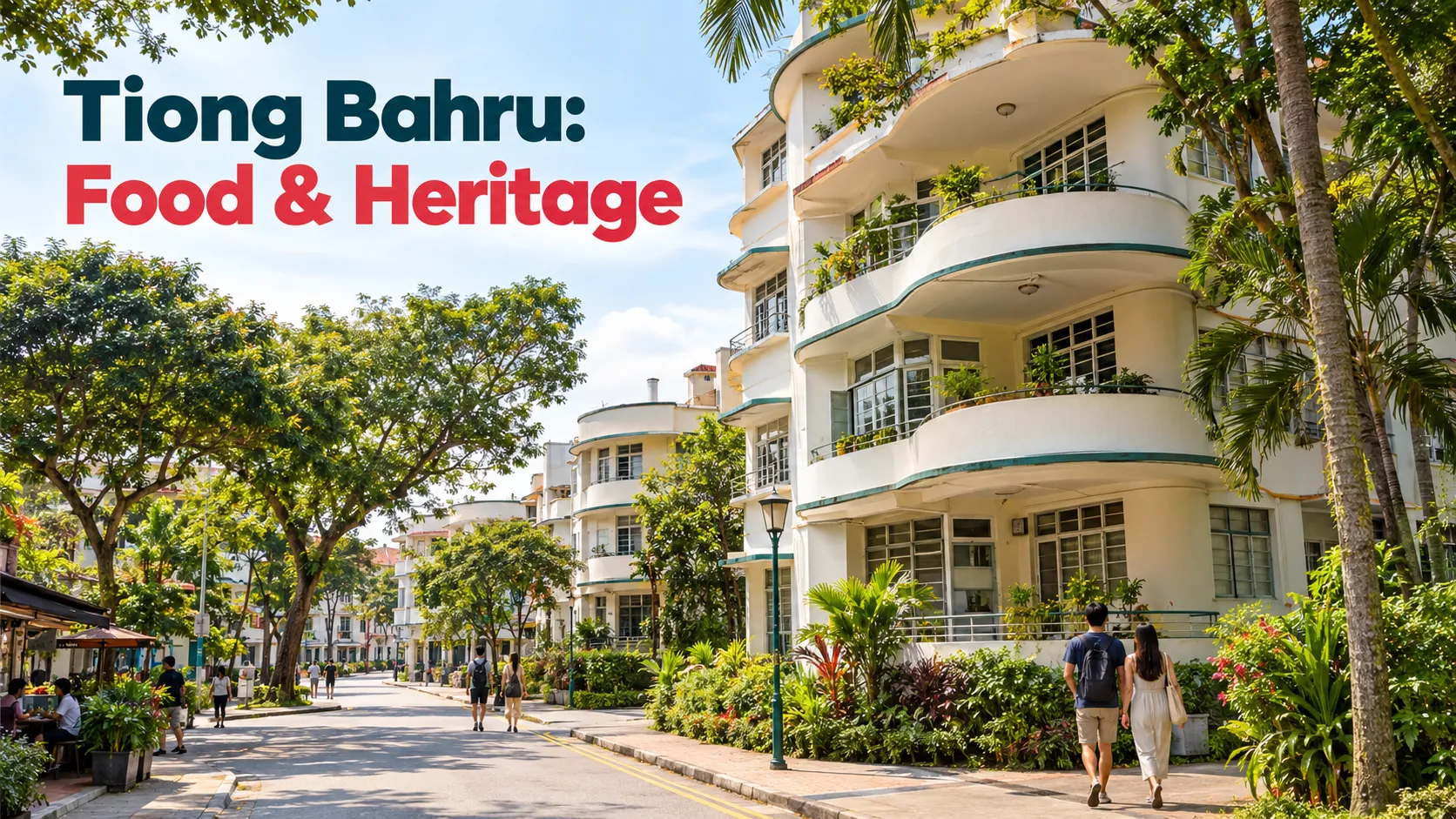
Tiong Bahru is one of Singapore’s most recognisable heritage neighbourhoods, known for its curved Art Deco buildings, traditional market and independent cafes. Located in the Bukit Merah area, this established residential estate brings together old housing blocks, local food stalls, small shops and newer lifestyle businesses. Some people visit for breakfast at Tiong Market, while others come to explore its historic streets and architecture. Whether you live in Singapore or are visiting for the first time, the neighbourhood offers a glimpse of everyday local life alongside a fascinating piece of the city’s past.
TL;DR: Tiong Bahru at a Glance
Tiong Bahru is a historic Singapore neighbourhood famous for its 1930s Art Deco housing, Tiong Bahru Market and local food. Visitors can follow the Tiong Bahru Heritage Trail, explore murals, browse Yong Siak Street and stop at neighbourhood cafes. Tiong MRT Station on the East-West Line provides access to the area. Allow around half a day if you want time for both food and a relaxed walk.
Where Is Tiong Bahru in Singapore?
Tiong Bahru is in the Bukit Merah planning area, close to central Singapore. It sits between neighbourhoods such as Outram, Redhill and Chinatown, making it convenient to include in a wider city itinerary. The nearest train station is Tiong MRT Station (EW17), on the East-West Line.
From the station, you can walk towards the older residential blocks, market and cafe streets. Local buses also serve the surrounding roads. Although the MRT station is a useful starting point, some of the best-known heritage buildings and independent shops are spread across the estate, so expect to do a little walking.
A Brief History of Tiong Bahru
Tiong Bahru has a history that goes beyond its present-day cafes and food stalls. The area was once associated with burial grounds, farmland and swampy land. Its name combines the Hokkien word “Tiong”, meaning grave, with the Malay word “bahru”, meaning new — a reference to a new cemetery.
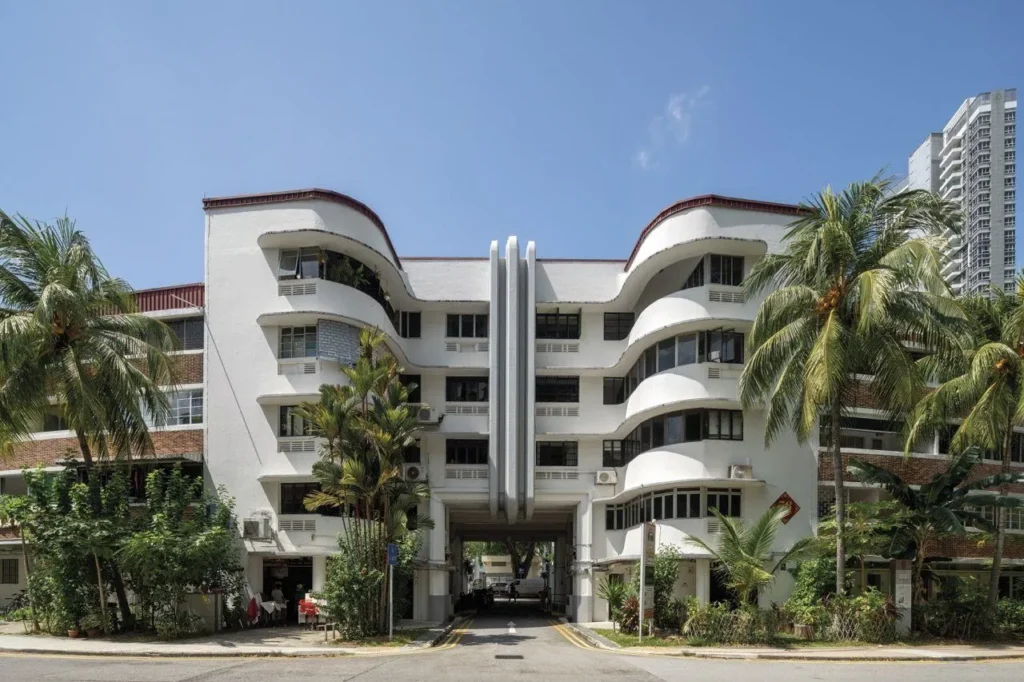
During the 1930s, the Singapore Improvement Trust (SIT), the predecessor of today’s Housing and Development Board (HDB), developed the estate as an early public housing project. Many of its distinctive low-rise blocks were built between 1936 and 1941. Their curved facades, rounded balconies and streamlined details reflect the architectural styles of that period.
The historic flats and shophouses received conservation status in 2003. Today, Tiong remains a residential neighbourhood, with its architectural character preserved alongside newer shops, cafes and businesses.
Best Things to Do in Tiong Bahru
You do not need a packed itinerary to enjoy Tiong . Much of its appeal comes from walking through the estate, noticing its architecture and stopping at places that catch your interest.
Explore Tiong Bahru’s Art Deco Architecture
The older housing blocks are among the neighbourhood’s most recognisable features. Look out for rounded corners, curved balconies, horizontal lines and distinctive stairwell designs. Some buildings also have open spaces and internal air-wells that reflect the planning approach of early public housing.
Take a slow walk along streets such as Tiong Poh Road, Moh Guan Terrace and Guan Chuan Street to see different examples of the estate’s architecture. Remember that these are homes, not museum exhibits, so be considerate of residents when taking photographs.
Walk Along the Tiong Bahru Heritage Trail
The Tiong Heritage Trail is a self-guided route developed by Singapore’s National Heritage Board.
It has 10 heritage points covering the estate’s development, architecture, community history and landmarks.
You can start at Tiong Bahru Market and Food Centre, then follow the trail to places such as Seng Poh Garden, the Horse-Shoe Block and the Monkey God Temple. The route offers useful context for the buildings and streets you pass, making it more than just an architecture walk.
Discover Local Murals and Heritage Sites
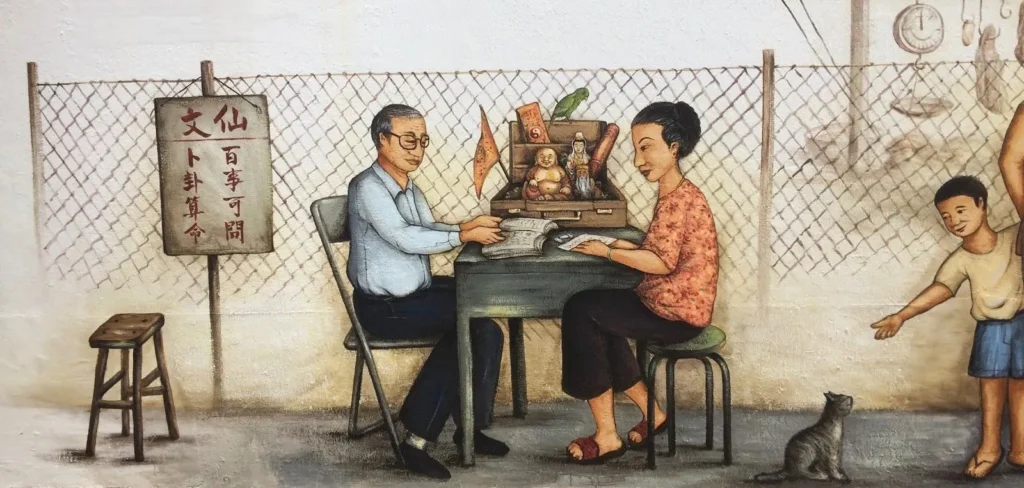
Look out for heritage-themed murals around the neighbourhood, including works that depict scenes from everyday life in older Singapore. They add colour to the residential streets and offer interesting photo opportunities.
Another landmark is Qi Tian Gong Temple, commonly known as the Tiong Monkey God Temple. The Tiong Bahru Air Raid Shelter at Block 78 is also historically significant. It dates from the pre-war period, but it should not be treated as a regular walk-in attraction. Check for any organised access or guided tours before planning a visit.
Browse Yong Siak Street
Yong Siak Street is a good place to slow down after exploring the older housing blocks. The street is known for its mix of independent shops, book-related businesses, cafes and small lifestyle outlets. You can browse at your own pace, pick up a coffee or take a break between heritage stops.
Tiong Bahru Food, Cafes and Market
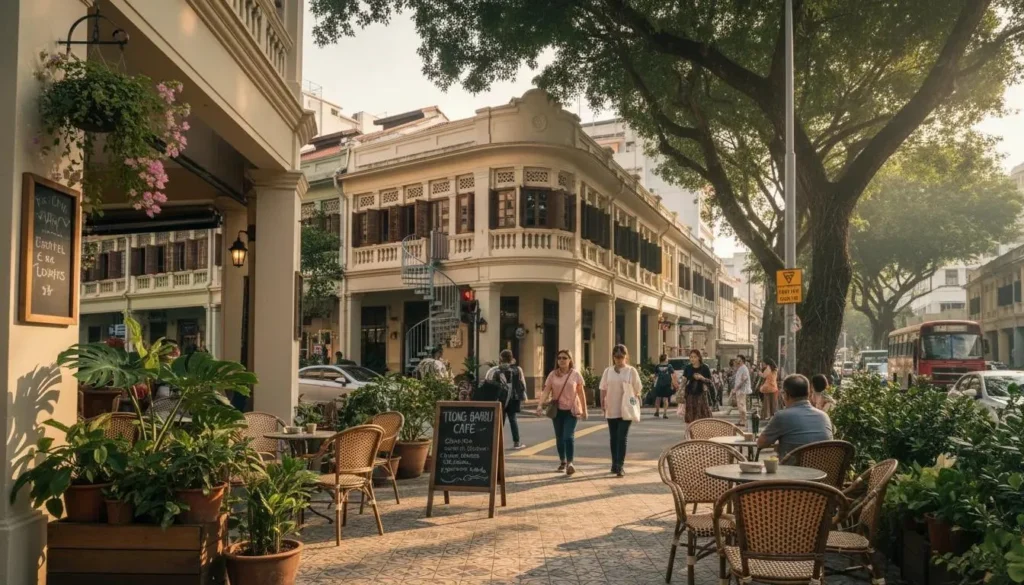
Food is a big part of the Tiong experience. The neighbourhood has a mix of traditional hawker stalls, casual eateries, bakeries and independent cafes, so you can enjoy both familiar local dishes and a slower coffee break.
What to Eat at Tiong Bahru Market
Tiong Bahru Market and Food Centre is one of the area’s main attractions. The building has a wet market on the lower level and a hawker centre upstairs, where visitors can find a range of local dishes.
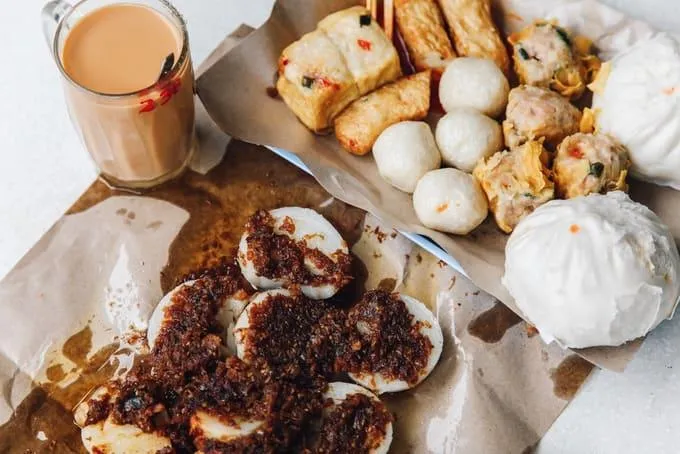
Chwee kueh is one of the well-known breakfast choices. These soft steamed rice cakes are usually topped with preserved radish and served with chilli. Other options include lor mee, prawn noodles, chicken rice and roasted meats. The market is popular with residents, so mornings and lunchtime can be busy.
If you are visiting for the first time, take a look around before choosing what to eat. Different stalls specialise in different dishes, and queues can vary throughout the day.
Explore Tiong Bahru’s Cafes and Bakeries
Beyond the market, Tiong Bahru has independent cafes, bakeries and casual dining spots, particularly around its older streets. You can stop for specialty coffee, pastries or a relaxed brunch after exploring the estate.
The mix of traditional food businesses and newer cafes is part of what makes Tiong interesting. Rather than visiting only one popular outlet, leave some time to browse and see what is open during your visit. Individual businesses may change, so check current opening hours before making a special trip.
How to Get to Tiong Bahru
The easiest public transport option is usually the MRT. Take the East-West Line to Tiong Station (EW17), then walk towards the market or heritage estate. Buses also serve the surrounding area, while taxis and ride-hailing services offer direct access.
| Transport | Visitor information |
| MRT | Tiong Bahru Station (EW17), East-West Line |
| Bus | Local services connect the surrounding neighbourhoods |
| Taxi or ride-hailing | Direct access to the estate and market area |
| Walking | A convenient way to explore nearby heritage streets |
Best Time to Visit Tiong Bahru
Visit in the morning if you want to experience Tiong Bahru Market during breakfast and wet-market hours. This is also a practical time to explore the streets before the afternoon heat. Weekends can feel busier around popular food stalls and cafes, while weekdays may offer a quieter walk. Singapore’s weather is warm and humid throughout the year, so bring water and consider carrying an umbrella.
Tiong Bahru Visitor Costs
Walking through the neighbourhood, viewing public architecture and exploring the heritage streets do not require an admission ticket. Your main expenses will depend on where you eat, drink or shop.
| Experience | Cost |
| Exploring public streets | Free |
| Self-guided heritage walk | Free |
| Visiting the market building | Free entry |
| Hawker food | Paid; varies by stall |
| Cafe visit | Paid; varies by outlet |
| Shopping | Depends on purchases |
Frequently Asked Questions About Tiong Bahru
What Is Tiong Bahru Famous For?
Tiong Bahru is famous for its pre-war Art Deco housing, historic public housing estate, traditional market, hawker food and independent cafes. Its mix of heritage buildings and everyday neighbourhood life makes it distinctive in Singapore.
Is Tiong Bahru Worth Visiting?
Yes, Tiong Bahru is worth considering if you enjoy local food, architecture, heritage walks and neighbourhood cafes. It is particularly suitable for a relaxed visit rather than a day packed with major tourist attractions.
What Can You Eat at Tiong Bahru Market?
Popular choices include chwee kueh, lor mee, prawn noodles, chicken rice and roasted meats. The hawker centre has a range of stalls, so you can try different Singaporean dishes in one place.
How Do You Get to Tiong Bahru MRT?
Take the East-West Line and alight at Tiong Bahru Station (EW17). From there, walk towards Tiong Bahru Market and the surrounding heritage streets.
How Long Should You Spend in Tiong Bahru?
Around half a day is a useful starting point if you want to visit the market, explore the heritage trail and stop at a cafe. A shorter visit works if you are mainly there for breakfast or a quick walk.
Conclusion
Tiong Bahru brings together Singapore’s housing history, hawker food and modern neighbourhood culture. Spend time exploring its older streets, enjoy a meal at the market and visit the independent shops at your own pace. It is a rewarding area to experience beyond the usual city-centre sights.